
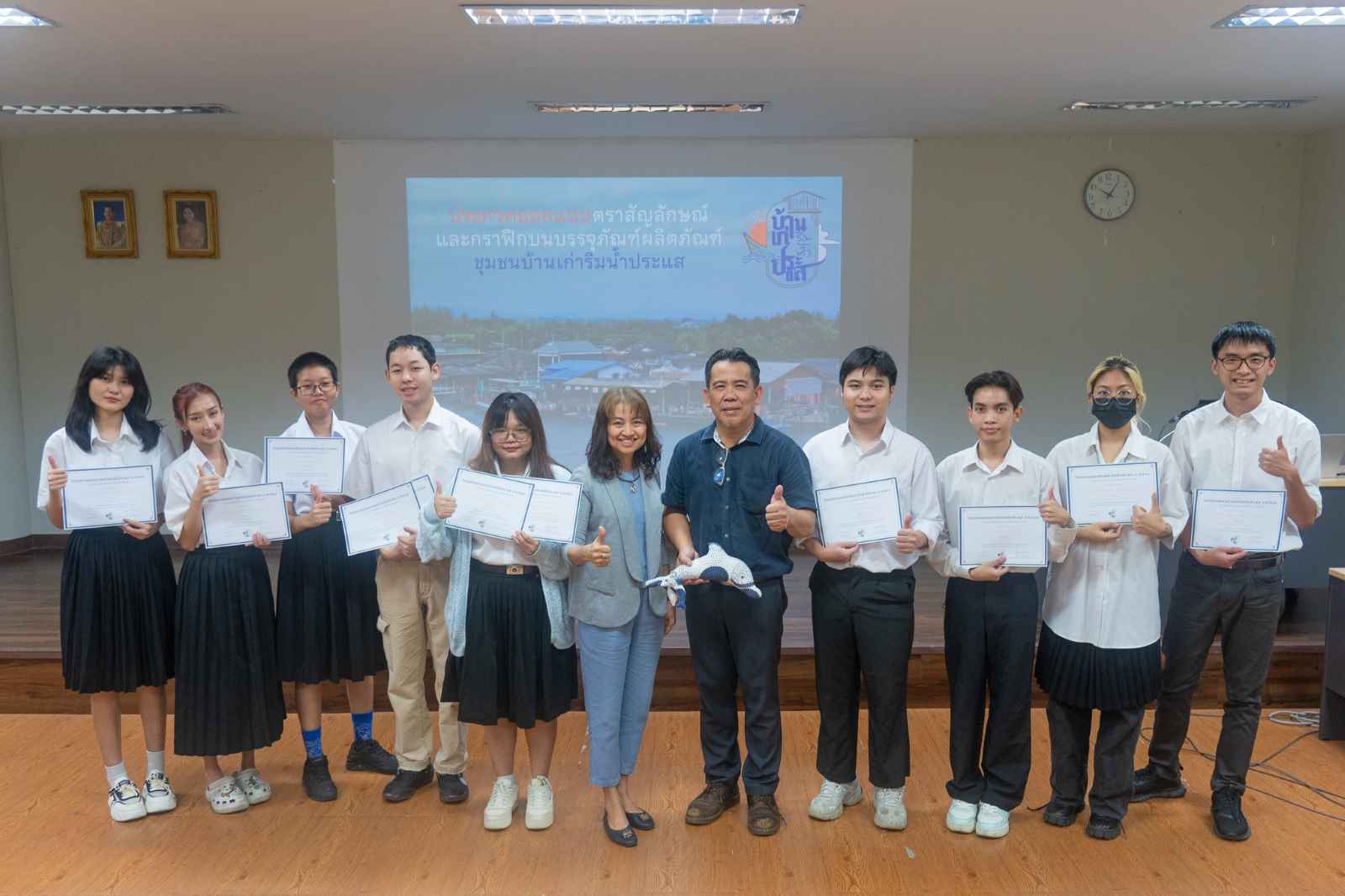
The Project on Logo and Packaging Design for Ban Kao Rim Nam Prasae Community
The Project on Logo and Packaging Design for Ban Kao Rim Nam Prasae Community Enterprise Products and the Training Program on Logo and Packaging Creation Based on Community Identity for Fiscal Year 2024
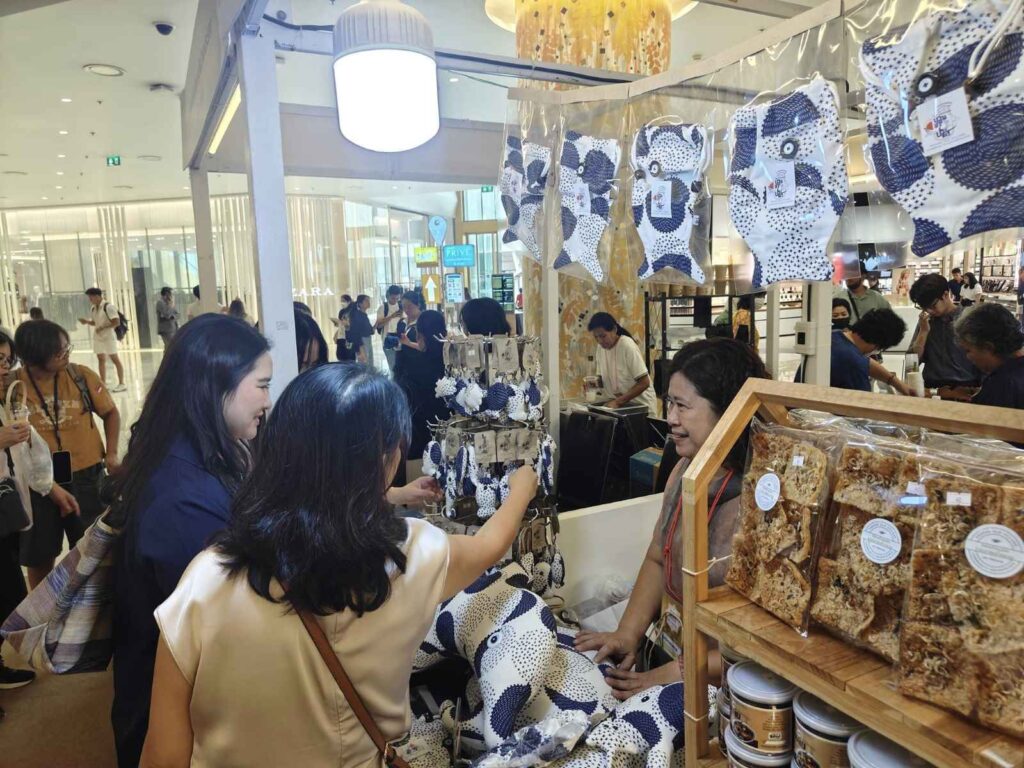
Ban Kao Rim Nam Prasae, located in Prasae Subdistrict, Klaeng District, Rayong Province, is a community that received the Outstanding Model Community Award in 2021. It was registered as a cultural heritage of Rayong Province and recognized as a Creative Industry Village. This village embodied a balance between cultural capital and creative design, integrating local traditions and lifestyles to enhance the value of its products and services. This approach connected the community to tourism development and generated new economic value aligned with the concept of the creative industry.
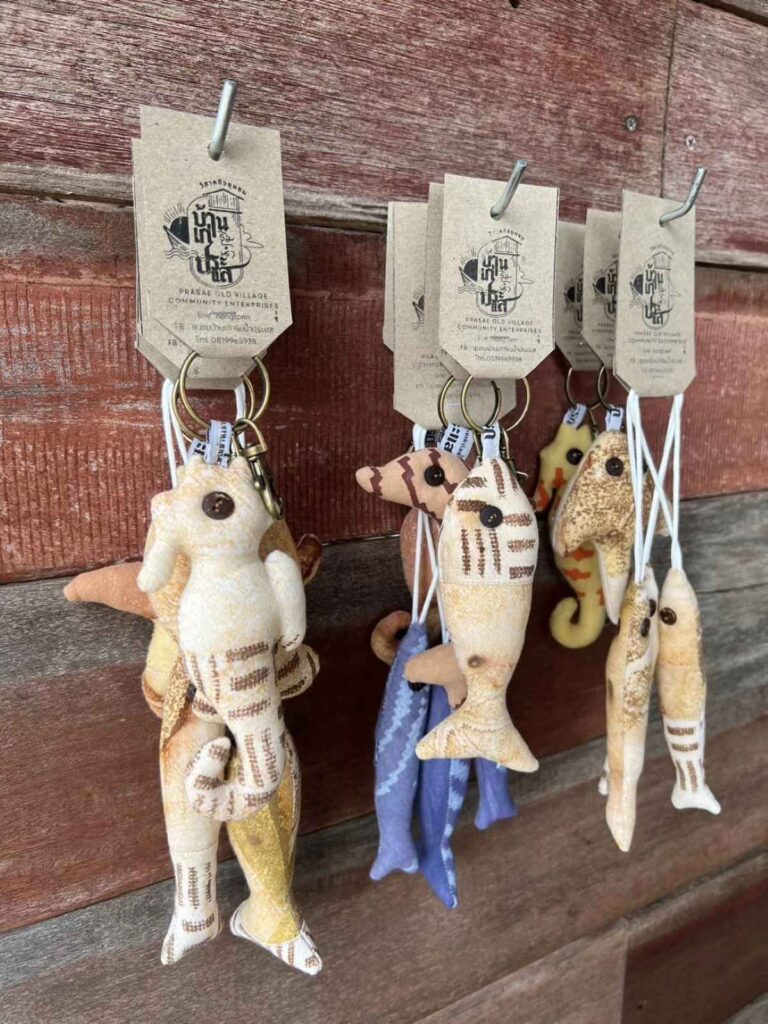
At the time, the community operated collaboratively, hosting activities and businesses such as homestays for tourists visiting key attractions like the Shrine of Prince Admiral Chumphon Khet Udomsak, Tung Prong Thong, and the HTMS Prasae Memorial Park. Additionally, the community produced and sold souvenirs, including handmade sea animal dolls, shrimp paste, dried shrimp, tea from Indian Marsh, and traditional desserts such as Kanom Kala, under the brand “Ban Kao Rim Nam Prasae Community Enterprise.”
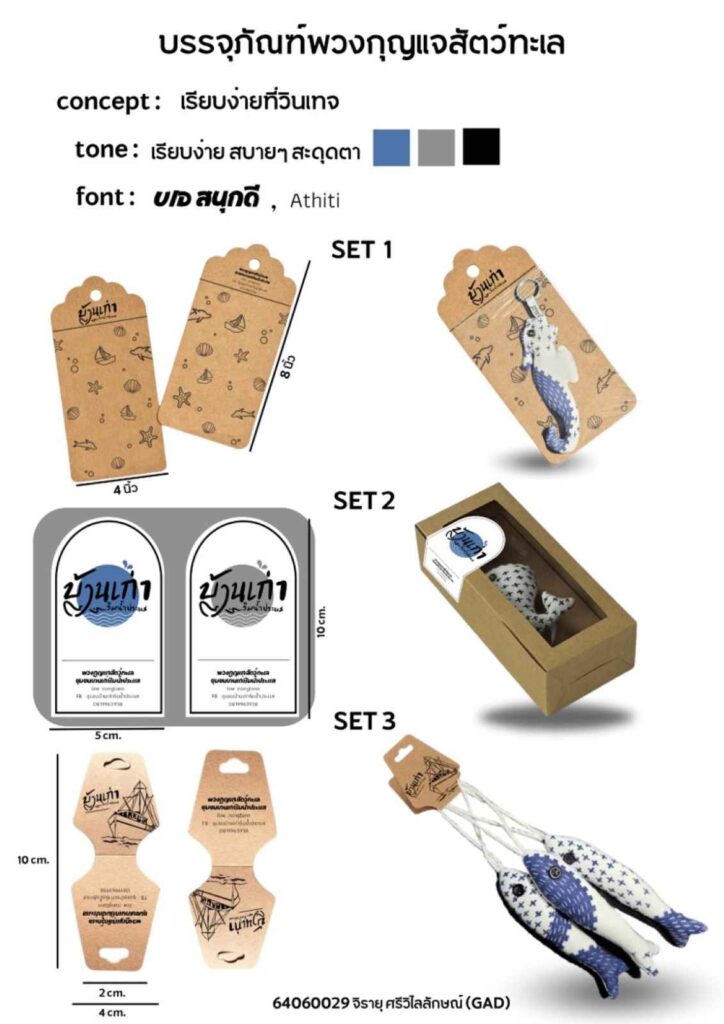
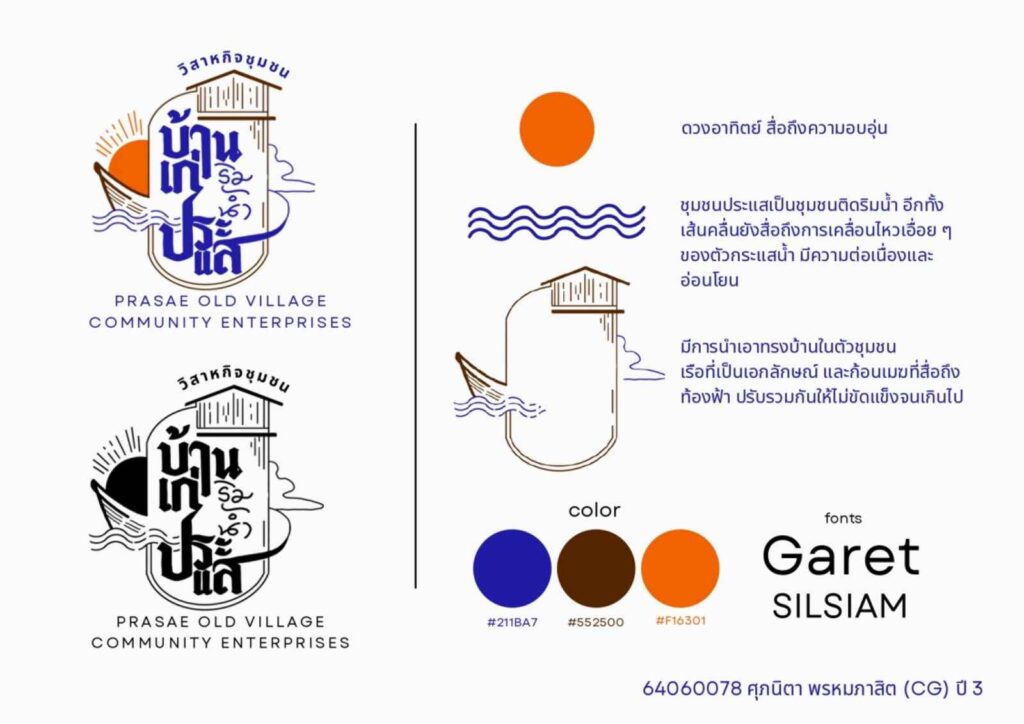
Recognizing the importance of effective communication and advertising, the community enterprise aimed to strengthen its brand identity and improve packaging for its products. This aspiration led to collaboration with the Department of Visual Communication Design, Faculty of Fine and Applied Arts, Burapha University, under the guidance of Asst. Prof. Supit Siengkong. The department curriculum focused on creating innovative designs, providing students with opportunities to apply their skills in real-world contexts.
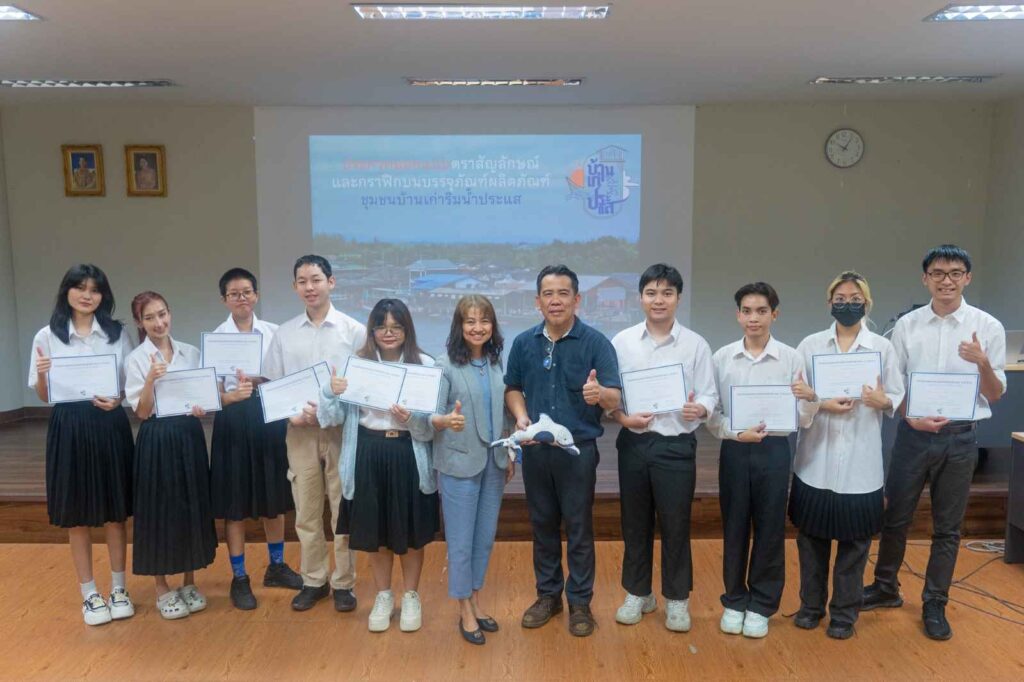
The project included a competition for logo and packaging design, encouraging students from the Visual Communication Design program to submit creative works. These activities not only enhanced the skills of students in meeting entrepreneurial needs but also involved evaluation from external organizations, ensuring adherence to academic quality assurance standards. Furthermore, the community’s active involvement with the academic sector fostered mutual growth in education, business, and local development.
In addition to the competition, a training session was held, led by guest lecturer and packaging design expert Mr. Suwit Wongrujirawanich. The training focused on branding development, translating community identity into design, and showcasing examples of logo and packaging designs for community products to serve as inspiration for future creations.
The implementation of both projects began with planning, where objectives, goals, and target groups were identified. Necessary resources, including lecturers, budgets, and venues, were prepared. This was followed by the research phase, which involved studying the community’s identity, target group needs, and local resources to design activities that addressed the community’s objectives. The development phase involved organizing training sessions for students to build their skills in logo and packaging design and conducting design competitions, enabling students to showcase their capabilities and create tangible outcomes. The evaluation phase assessed the quality of the designs created during the competition and training sessions. Feedback from experts and stakeholders was used to refine and enhance the designs. Finally, the completed works were delivered to the community for practical use in businesses, with the outcomes summarized and reported for future project development.
The projects clearly demonstrated their value in enhancing students’ skills in logo and packaging design aligned with community identity. These skills were applied to real-world design projects, benefiting both education and practical applications. The community gained high-quality designs that increased the appeal and economic value of their products, attracting more tourists and consumers. The projects also strengthened collaboration between the university, the community, and local businesses. By integrating teaching and academic services, students gained hands-on experience while the community benefited from designs that were implemented in real-world contexts. These activities inspired students to understand the importance of design in driving positive social and economic impacts.
In addition to that, the projects aligned with Sustainable Development Goal 11, which emphasizes sustainable cities and communities, particularly in sub-goals 11.3 and 11.4. Through creative design, the projects promoted sustainable and inclusive community development (11.3) by fostering connections between cultural traditions, design innovation, and economic growth. Simultaneously, the projects contributed to preserving and promoting cultural heritage (11.4) by incorporating the unique identity of Ban Kao Rim Nam Prasae into logos and packaging designs, creating added value while safeguarding traditional ways of life. These initiatives exemplified how education, culture, and community development could synergize to achieve sustainable development objectives, benefiting both students and the broader community.